Osteoporosis and nutrition: eating to support stronger bones
We often think about what we eat in relation to our energy, digestion or weight. But our bones need nourishment too.
Whether you have been diagnosed with osteoporosis or osteopenia, are approaching menopause, or simply want to look after your future health, everyday food choices can help support your bones.
Calcium is part of the picture, but it works alongside other nutrients, including vitamin D, vitamin K2, magnesium and protein. Understanding their different roles can help you make informed choices about food and supplements.
What is osteoporosis?
Osteoporosis is a condition that weakens bones, making them more likely to break. It often develops gradually, without obvious symptoms, and may only be discovered after a fracture.
Although it is more common in older adults, particularly women after menopause, it can also affect men and younger people. Family history, certain medicines, low body weight and conditions affecting nutrient absorption can influence risk.
Osteopenia means bone density is below the normal range but has not reached the threshold used to diagnose osteoporosis. It does not inevitably progress to osteoporosis. (nhs.uk)
Nutrition can support bone health, but osteoporosis also needs appropriate medical assessment and, where indicated, treatment.
Calcium: providing material for strong bones
Calcium is an important structural component of bones and teeth.
Most UK adults need 700mg of calcium each day. If you have osteoporosis or take osteoporosis medication, your healthcare professional may recommend a different amount. The Royal Osteoporosis Society explains that some people may be advised to aim for around 1,000mg daily. (theros.org.uk)
Useful food sources include:
- Milk, yoghurt and cheese.
- Plant drinks and dairy alternatives fortified with calcium.
- Calcium-set tofu.
- Sardines or tinned salmon with edible bones.
- Kale, broccoli and cabbage.
- Bread made with calcium-fortified flour.
Check labels on dairy alternatives because calcium content varies. Spinach contains calcium, but its oxalate content reduces absorption, making it less useful as a main calcium source. (nhs.uk, theros.org.uk)
A practical starting point is to include calcium-rich foods at several points throughout your day.
Can you have too much calcium?
More calcium does not automatically mean stronger bones.
Calcium supplements should address a shortfall in your diet, rather than simply being added on top of an already adequate intake.
High supplemental intakes can cause digestive problems, including constipation, bloating or abdominal discomfort. Excessive calcium intake can contribute to high blood calcium, and supplemental calcium may increase kidney-stone risk in some people. (ods.od.nih.gov)
The NHS warns that high doses above 1,500mg daily can cause stomach pain and diarrhoea. This is a safety warning, not an intake target. Your requirement may be much lower. (nhs.uk)
Meeting normal calcium needs through food remains important, including for many people prone to kidney stones. Avoid cutting out calcium-rich foods without individual advice. (dchft.nhs.uk)
Vitamin D: supporting calcium absorption
Vitamin D helps your body absorb calcium from your digestive tract and supports healthy bones and muscles.
Food sources include oily fish, egg yolks and some fortified foods, but getting enough through food alone can be difficult.
In the UK, adults should consider a daily supplement containing 10 micrograms of vitamin D, equivalent to 400 IU, during autumn and winter. Some people should consider taking it throughout the year, including those with darker skin or very little sunlight exposure.
If you have osteoporosis, a deficiency or problems absorbing nutrients, your clinician may recommend a different dose. (nhs.uk, nogg.org.uk)
Why too much vitamin D can be harmful
Vitamin D is fat-soluble, and taking excessive supplemental amounts over time can cause calcium to build up in the blood. This is called hypercalcaemia.
It can weaken bones and damage the kidneys and heart. More vitamin D is therefore not necessarily better, even when your aim is to support bone health.
The NHS advises adults not to take more than 100 micrograms, or 4,000 IU, daily without medical direction. This is an upper limit, not a recommended daily dose; some people need lower limits because of medical conditions. Higher doses may sometimes be prescribed for deficiency under supervision. (nhs.uk)
Check the combined amount in all your products. A multivitamin, vitamin D supplement and bone-health formula may each contain vitamin D.
Vitamin K2: helping the body use calcium
Vitamin K supports the activation of proteins involved in bone metabolism, including osteocalcin, which helps bind calcium within bone.
There are different forms:
- Vitamin K1 is found mainly in green leafy vegetables.
- Vitamin K2 includes several forms called menaquinones, found in foods such as natto, some cheeses and certain animal foods.
Vitamin D helps with calcium absorption, while vitamin K2 supports proteins involved in how calcium is used. These are related but different roles.
Does a calcium or vitamin D supplement need K2?
Vitamin K2 is included in some bone-health supplements because of its role in bone metabolism. It is not currently established that everyone taking calcium or vitamin D needs an additional K2 supplement. Decisions should consider diet, medical history and medicines. Vitamin K supplements can interact significantly with warfarin, so anyone taking it should speak to their anticoagulation team before starting K2. (ods.od.nih.gov)
Taking K2 also does not make excessive calcium or vitamin D doses safe.
Magnesium: supporting bone and vitamin D function
Magnesium is another part of bone health. Some of the body’s magnesium is stored in bone, and it supports normal muscle and nerve function.
It also contributes to the processes that metabolise vitamin D and helps regulate hormones involved in calcium balance. Adequate magnesium therefore matters alongside calcium and vitamin D.
Food sources include:
- Nuts and seeds.
- Beans, chickpeas and lentils.
- Whole grains.
- Green leafy vegetables.
Do you need a magnesium supplement?
People with impaired kidney function need particular care because magnesium may accumulate. Magnesium supplements can also interfere with the absorption of some medicines, including oral bisphosphonates used for osteoporosis, so timing should be checked with a pharmacist. (ods.od.nih.gov)
Protein matters for bones as well as muscles
Protein is a component of bone tissue and helps maintain the muscles that support movement and everyday function.
Try including a protein source at each main meal, such as:
- Eggs, fish, poultry or meat.
- Milk, yoghurt or cheese.
- Beans, chickpeas or lentils.
- Tofu or tempeh.
- Nuts and seeds alongside other protein foods.
For example, porridge made with milk or fortified soya drink provides more protein than porridge made with water. Adding yoghurt offers another opportunity to increase your intake.
Look at your overall eating pattern
Supporting your bones does not require a single “superfood” or a long list of supplements.
A varied diet helps provide the combination of nutrients your body needs. Include vegetables and fruit, starchy carbohydrates, protein foods, and dairy or suitable fortified alternatives. (theros.org.uk)
That might mean meals built around vegetables, whole grains, beans, fish or other protein foods, with deliberate space for calcium-rich choices.
The aim is a way of eating that is nourishing, enjoyable and realistic enough to maintain.
Eating enough is important too
Bone health can be overlooked when the focus is on eating less.
Low body weight and restrictive eating can increase concerns about bone health. Significant or rapid weight loss may also reduce bone strength, although its effect on fracture risk is less clear. (nhs.uk, theros.org.uk)
If you are trying to lose weight, have a small appetite or regularly skip meals, consider whether you are still getting enough energy, protein and calcium.
Unintentional weight loss or difficulty eating deserves a conversation with your GP. Personalised nutritional support can help you find manageable ways to improve your intake.
Menopause and bone health
Oestrogen helps protect bones. As levels fall during menopause, bone loss can become more rapid.
This makes menopause a useful time to review your nutrition and movement habits. There is no separate UK calcium requirement simply because you are menopausal, but consistently meeting your nutritional needs matters. (nhs.uk)
If you have additional risk factors, such as an early menopause, a parent who fractured a hip, or a previous fracture after a minor fall, speak to your GP about your bone health. (nhs.uk)
Supporting your bones on a plant-based diet
A plant-based diet can include many useful foods for bone health, but calcium, vitamin D and protein need attention.
Useful choices include fortified plant drinks and yoghurts, calcium-set tofu, beans, lentils, nuts, seeds and green vegetables. Check labels rather than assuming every dairy alternative provides the same nutrients. (nhs.uk, theros.org.uk)
Build meals around a substantial protein source, such as tofu or lentils, alongside vegetables and a starchy carbohydrate. Include calcium-rich foods regularly throughout the day.
Choosing supplements thoughtfully
Before buying a bone-health supplement, consider:
- Your food intake: is there a genuine nutritional shortfall?
- The full daily dose: include every supplement and prescribed product you take.
- Your medical history: particularly kidney problems, kidney stones or conditions affecting calcium levels.
- Your medicines: check interactions and whether supplements need to be taken at a different time.
- The purpose: correcting a deficiency requires different advice from general maintenance.
Food sources of calcium are generally preferred where possible, with supplements used when needed. Your clinician may recommend calcium and vitamin D alongside osteoporosis medication. Continue prescribed treatment unless your prescriber advises a change. (nogg.org.uk)
A combination product containing calcium, vitamin D, K2 and magnesium is not automatically the right choice for everyone. The most useful supplement is one that meets an identified need at an appropriate dose.
What could a day of eating look like?
These meal ideas can be adapted to your appetite, preferences and nutritional needs.
Breakfast: Porridge made with milk or calcium-fortified soya drink, topped with berries and pumpkin seeds.
Lunch: Lentil and vegetable soup with wholemeal bread, followed by yoghurt or a fortified soya alternative.
Dinner: Salmon or calcium-set tofu with potatoes and broccoli.
A snack if needed: Cheese and crackers, yoghurt with fruit, or hummus with toast.
Portions and products make a difference, so this is an example of how to include useful foods rather than a calculated daily nutrition plan.
Nutrition and movement work together
Eating well provides nutrients for your bones and muscles. Appropriate exercise provides another part of their care.
UK guidance recommends weight-bearing and muscle-strengthening exercise adapted to the individual. Balance training can also help reduce falls risk. (nogg.org.uk)
If you practise yoga and have osteoporosis, your practice may need adapting to your fracture history, symptoms and healthcare advice.
Read my companion blog: Osteoporosis and yoga
Personalised nutrition support in Exeter
If you are unsure whether your diet provides enough calcium, protein or other nutrients, I can help you review your everyday meals and identify practical changes.
My nutritional therapy approach considers your food preferences, appetite, lifestyle and existing healthcare advice, helping you build habits that fit your life.
Find out more about my nutritional therapy services or book a free 15-minute consultation.
This article provides general information. Osteoporosis needs appropriate medical assessment and, where indicated, treatment. Nutrition supports this care.
References and further reading
- NHS: Osteoporosis
- NHS: Food for healthy bones
- NHS: Calcium
- NHS: Vitamin D
- Royal Osteoporosis Society: Calcium
- National Osteoporosis Guideline Group: Nutrition, exercise and lifestyle guidance
- NIH Office of Dietary Supplements: Vitamin K
- NIH Office of Dietary Supplements: Magnesium
Topics included: osteoporosis, osteopenia, nutrition for bone health, calcium, vitamin D, vitamin K2, magnesium, protein, supplement safety, menopause, plant-based nutrition, nutritional therapy in Exeter.
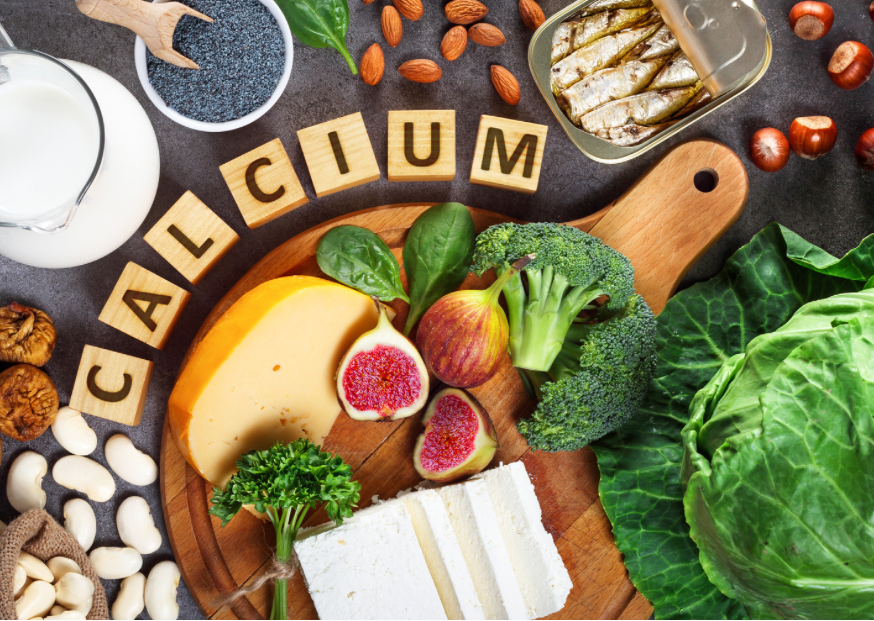
Nutritional Therapy in Exeter & online
Looking for a dietitian, nutritionist or nutritional therapist? Want to know what the difference is and how I can help you?
Want to find out how a changed to your nutrition can improve your health? Contact me here for your free 15 minute nutritional therapy consultation.
Ready to book your nutritional therapy appointment, book your appointments in Topsham, Exminster or online here.
What is Nutritional Therapy?
Nutritional Therapy is a holistic approach to health and wellbeing that focuses on using food and nutrition to support the body's natural healing processes.
I provide personalised nutrition plans tailored to individual needs.
Whether you're looking to improve digestion, boost energy levels, manage weight, improve your nutrition intake, or address specific health concerns. Nutritional Therapy can offer valuable insights and support on your journey to optimal health.
My Nutritional Therapy diploma is held with the School of Health, and I am a registered Nutritional Therapist with the Federation of Nutritional Therapy Practitioners.
What is the difference between a; dietitian, nutritionist and nutritional therapist.
Dietitian's - Dietitian's provide practical guidance to sick individuals to help them make appropriate, healthy choices for a specific medical conditions. They often work as part of a clinical team, including for example doctors, nurses, physiotherapists etc. They take a direct approach to the illness being presented to them, not the body as a whole.
Nutritionists - Registered nutritionists are qualified to provide information and nutrition advice about food and eating habits. They may take a similar approach to a Nutritional Therapist. Nutritionists normally operate out of private practices. Dieticians will normally operate out of the NHS.
In general, nutritionists provide evidence-based information and guidance about the impacts of food and nutrition on the health and wellbeing of humans
Nutritional Therapists - Nutritional therapists practice complementary medicine, taking a holistic approach to the symptoms that are presenting in the body, They provide recommendations for diet and lifestyle to reduce or prevent health issues and illnesses. They work on the belief that the body has underlying nutritional and biochemical imbalances that lead to poor health, including mental health problems.